
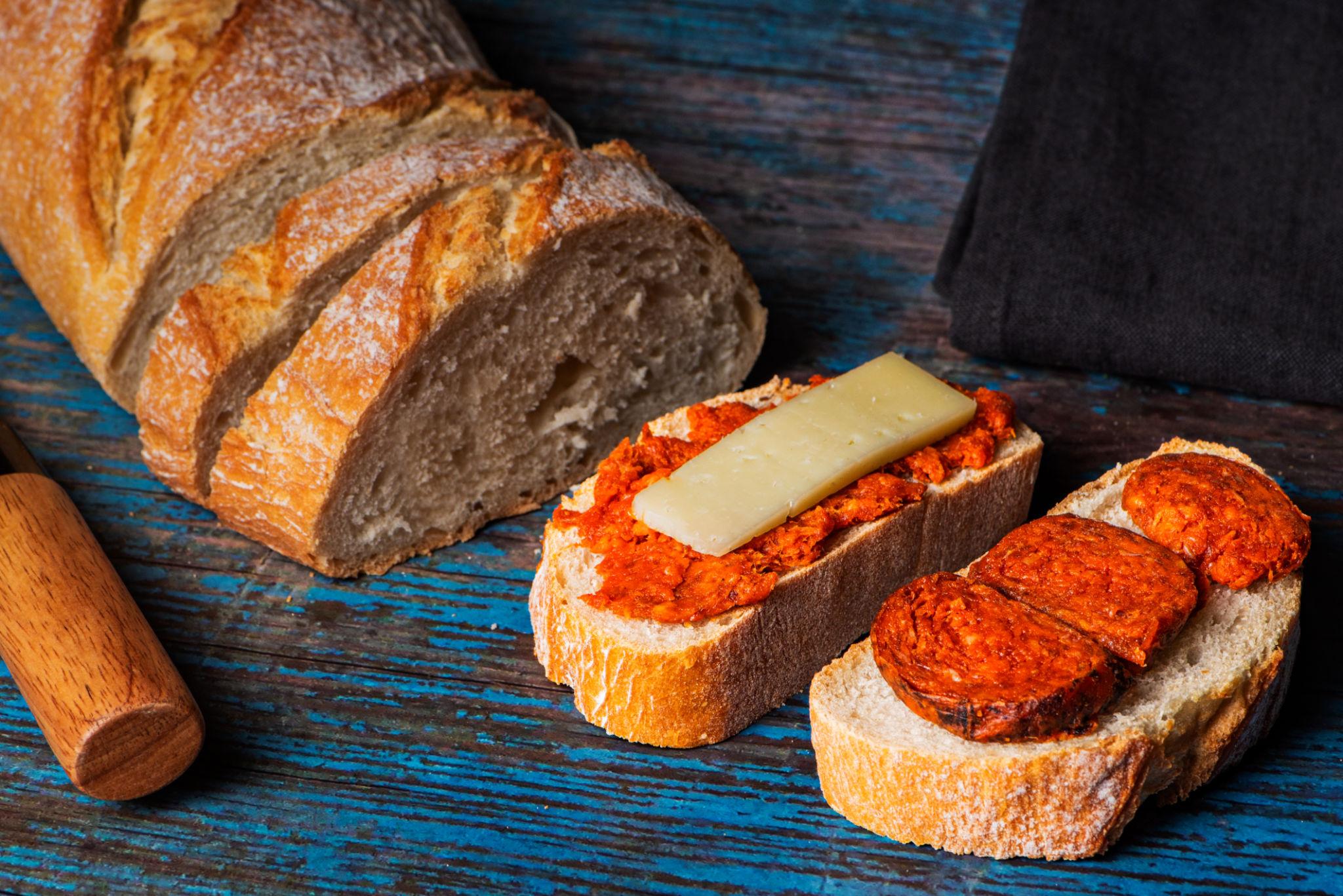
Mallorca is best enjoyed with your eyes, with sand between your toes… and also with your stomach.
Because, yes, the island has incredible coves, charming villages and picture-perfect sunsets, but its cuisine is also worth a trip in its own right.
It’s not all about ensaimadas here, although a good ensaimada can really brighten up your day. Mallorcan cuisine features seafood dishes, recipes from the mainland, sausages with real character, seasonal vegetables, traditional sweets and wines that capture the essence of the Mediterranean landscape.
If you’re coming to Mallorca on holiday, make a note of these traditional dishes. They’ll help you get to know the island in a much more authentic way.
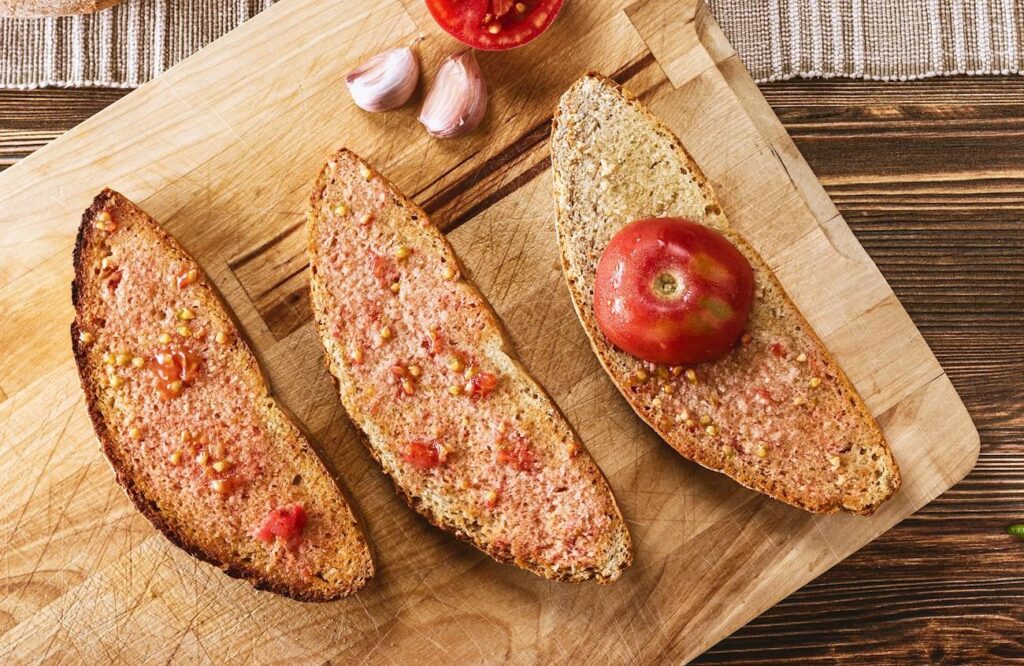
Pa amb oli, the classic that never fails
Pa amb oli is one of Mallorca’s most traditional dishes. It’s simple, but when it’s done properly, it doesn’t need much else.
It is made with brown bread, Ramallet tomatoes, olive oil and salt. From there, it can be served with cheese, ham, sobrasada, camaiot, tuna or any local produce.
It’s perfect for a quiet dinner, for sharing on a terrace, or for cooking in your accommodation after a day at the beach. If you’re staying in a holiday home or flat with a kitchen, you can buy the ingredients at a local market and enjoy a truly Mallorcan dinner without any hassle.
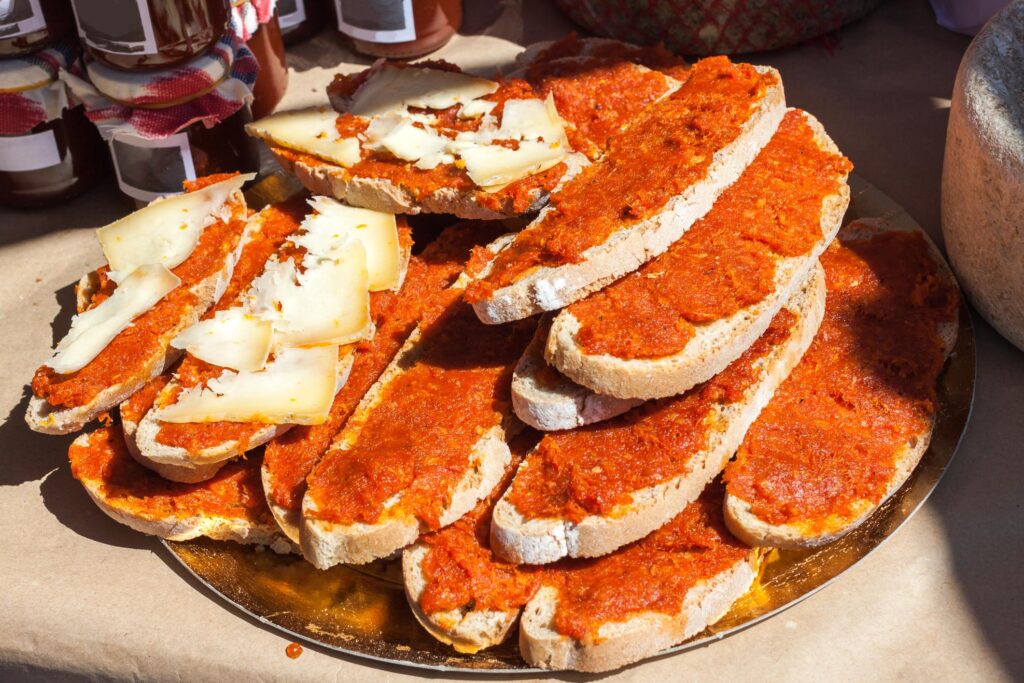
Sobrasada de Mallorca
Sobrasada is one of the island’s most famous specialities. It has a deep red colour, a creamy texture and a very distinctive flavour.
There are lots of ways to enjoy it. The simplest is spread on warm bread. It’s also very commonly eaten with honey – a sweet and savoury combination that really surprises anyone trying it for the first time.
Sobrasada is an integral part of Mallorca’s culinary identity. It’s not just a sausage; it’s one of those flavours you remember even after you’ve returned home.
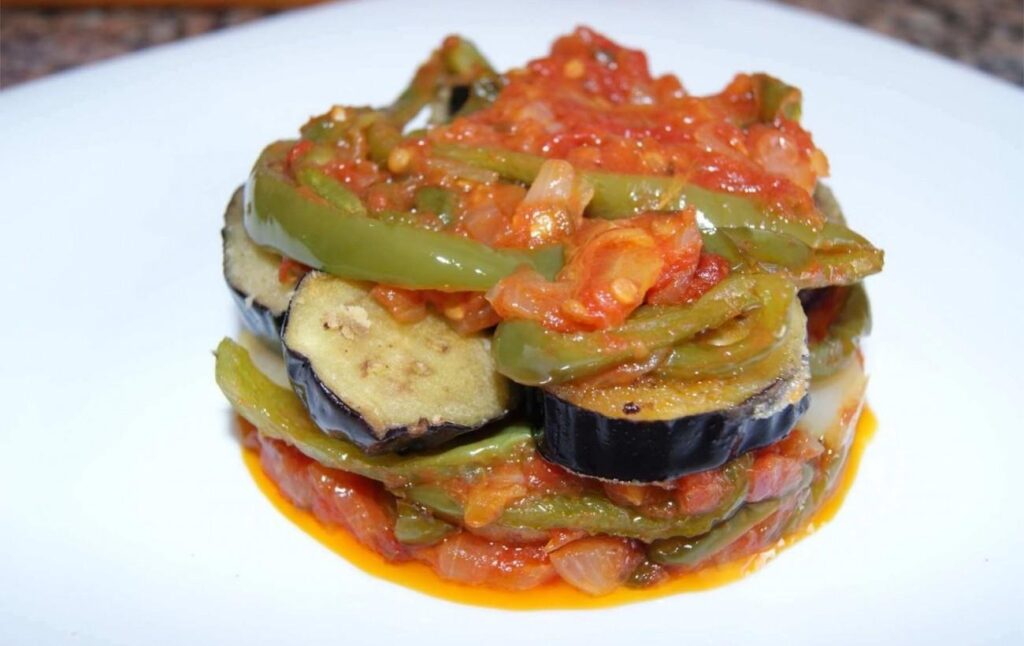
Tumbet mallorquín
Tumbet is one of the most quintessentially Mediterranean dishes in Mallorcan cuisine. It is made with vegetables such as potatoes, aubergines and peppers, and is usually served with homemade tomato sauce.
It is a simple, colourful dish, full of flavour. It can be served on its own or as an accompaniment to meat, fish or eggs.
It’s an ideal choice if you want to try something traditional but not too heavy. What’s more, it’s perfect for those who prefer dishes featuring vegetables and seasonal produce.
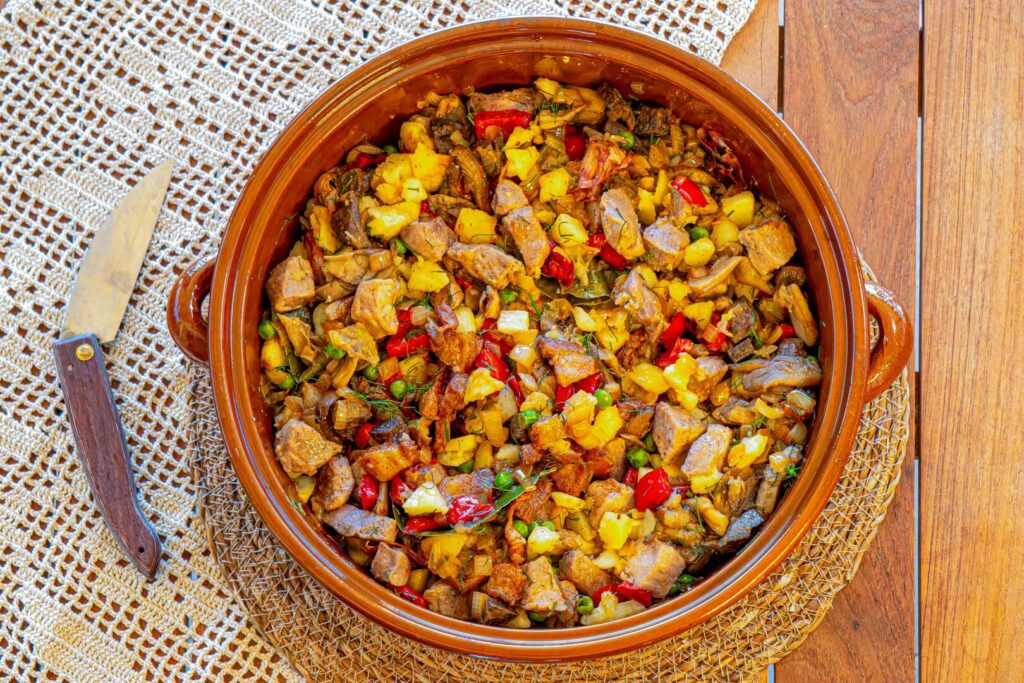
Frit mallorquí
Mallorcan frit is a dish with plenty of character. It is a traditional recipe made with meat, potatoes, vegetables, fennel and spices.
There are different versions depending on the region or restaurant, but they all have that rich, traditional flavour.
It’s not the lightest dish, but it is one of the most authentic. If you want to experience a more local side of Mallorca, order frit mallorquí at a traditional restaurant or in a village in the interior.
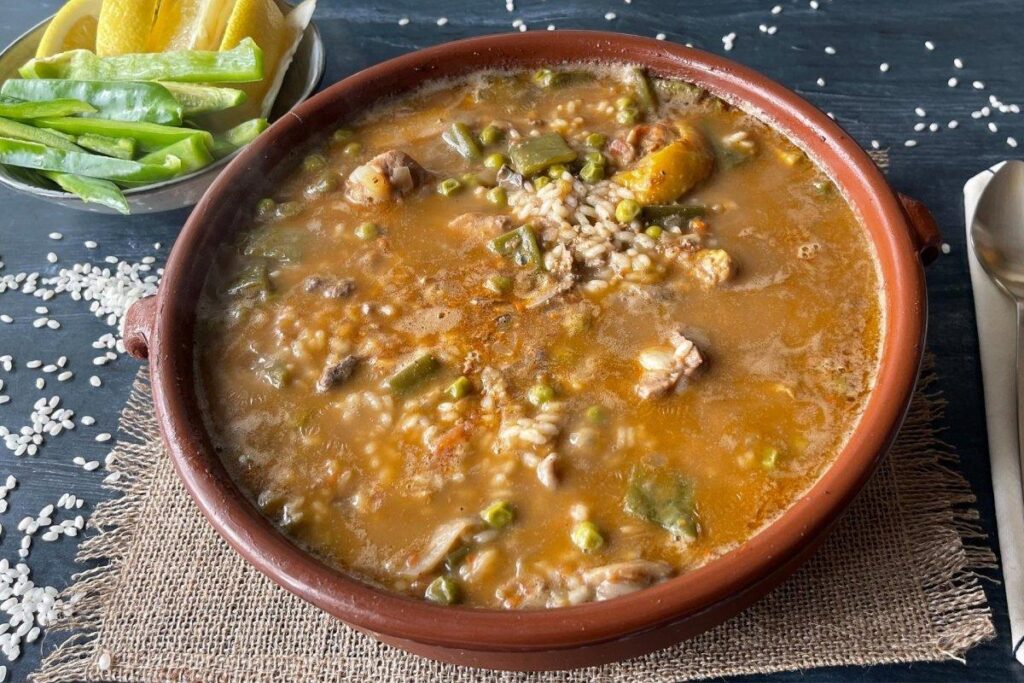
Arròs brut
Arròs brut literally means ‘dirty rice’, but don’t worry: the name comes from the dark colour given to it by the spices and ingredients.
It is a broth-based, flavourful and very aromatic rice dish. It is usually made with meat, vegetables, mushrooms and spices.
It’s nothing like the typical paella that many tourists expect to find. Arròs brut is more rustic, more intense and very Mallorcan.
It’s the perfect dish to try whilst touring the island’s interior, particularly in villages such as Sineu, Petra, Manacor, Maria de la Salut or the surrounding areas.
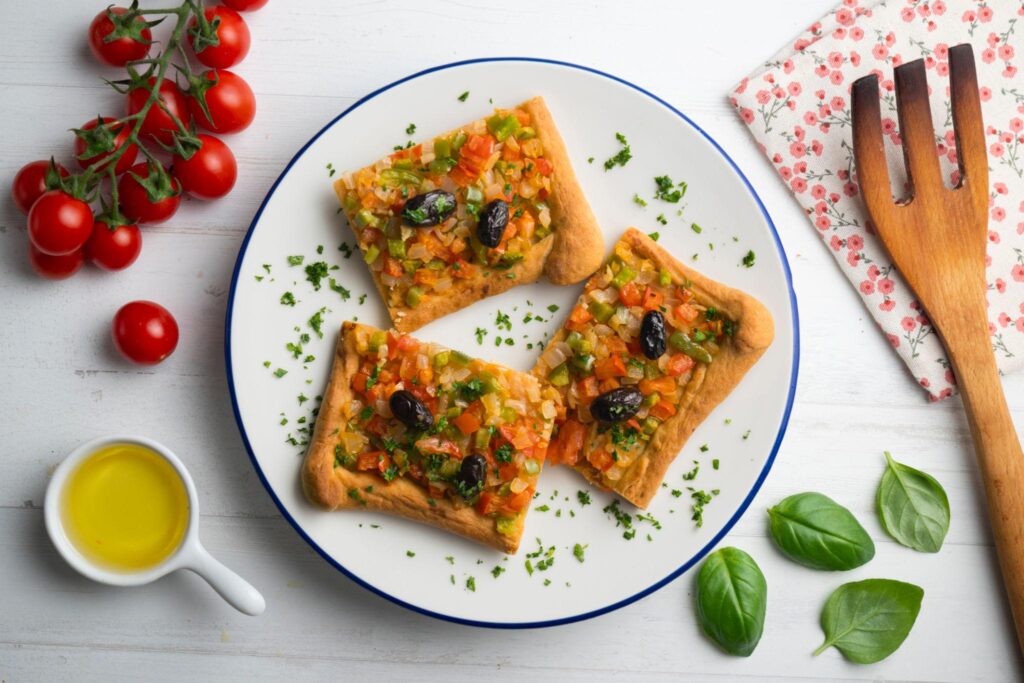
Coca de trampó
Coca de trampó is a savoury flatbread that is very typical of Mallorca. It has a thin, crispy base topped with fresh vegetables, usually tomato, pepper and onion.
It is light, tasty and easy to find in traditional bakeries and bread shops.
It’s perfect for taking to the beach, on a day out or for a quick bite to eat without resorting to tourist food. It’s also a good option if you want to try something local without sitting down in a restaurant.
Mallorcan soups. Although they’re called soups, they aren’t the kind of liquid soup you might imagine. Mallorcan soups are made with thin slices of bread, vegetables and stock, but they have a drier texture.
It is a traditional, simple dish closely associated with country cooking.
It might not be the first thing a tourist asks for, but it’s well worth trying if you want to experience the island’s most authentic cuisine. It’s particularly recommended outside the hottest months.
Fresh fish and seafood dishes
In Mallorca, too, you dine whilst looking out to sea. In coastal areas such as Port d’Alcúdia, Port de Pollença, Cala Ratjada, Portocolom and Sóller, fresh fish takes centre stage.
You can try grilled fish, squid, prawns, seafood rice dishes or simple dishes made with local produce.
It’s best not to overcomplicate things. When the fish is fresh, a simple recipe is usually enough.
A leisurely meal overlooking the harbour, with fresh fish and a glass of Mallorcan white wine, is one of those plans that never fails.
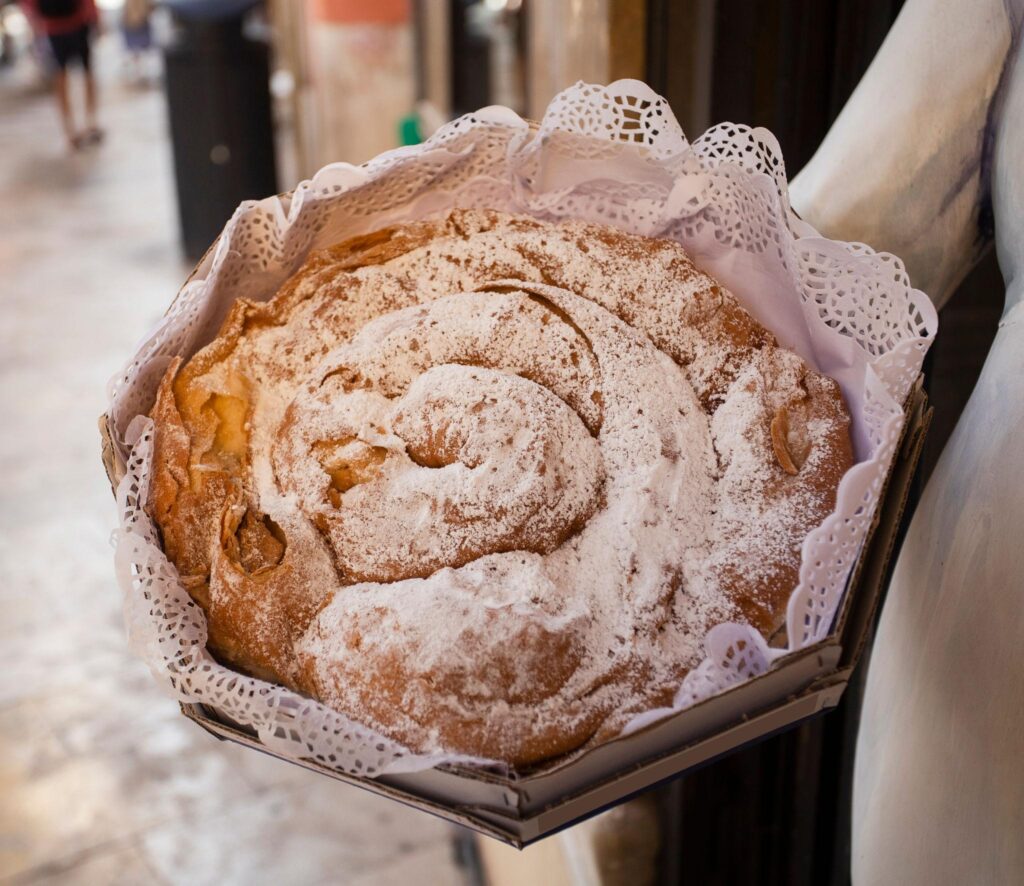
Ensaimada de Mallorca
The ensaimada is probably Mallorca’s most famous sweet. It is spiral-shaped, has a soft texture and a very distinctive flavour.
The traditional version can be plain or filled with angel hair, although nowadays you’ll also find versions filled with cream, chocolate, whipped cream, apricot or even sobrasada at certain times of the year.
You can have it for breakfast, as a snack or for dessert. If you buy it from a traditional bakery, so much the better.
And if, at the end of your holiday, you see lots of people at the airport with a box of ensaimadas, don’t be surprised. It’s one of the island’s most typical souvenirs.
Other Mallorcan sweets
The ensaimada is the best known, but it is not the only traditional sweet from Mallorca.
You could also try robiols, crespells, coca de patata or gató de almendra.v
Potato coca is a typical dish from Valldemossa, whilst robiols and crespells are deeply rooted in the Mallorcan baking tradition.
If you visit a village, pop into a local bakery and ask what they have fresh today. Often, the best treats are the simplest ones.
Vino mallorquín
Mallorca also has a fascinating wine culture. The island is home to some well-known wineries and wine-growing regions, particularly in the interior.
If you like wine, you can visit wineries in areas such as Binissalem, Santa Maria del Camí, Petra, Manacor, Felanitx or Porreres.
A wine tour goes very well with a stay at a country estate or a rural guesthouse. You can enjoy the beach in the morning, visit a winery in the afternoon and round off the day with a quiet dinner at your accommodation.
Where to try traditional food in Mallorca
To try traditional Mallorcan food, it’s best to venture a little way away from the most touristy areas.
You don’t need to go too far, but you should look for restaurants where locals also eat. Villages in the countryside are usually a safe bet.
You don’t need to go too far, but you should look for restaurants where locals also eat. Villages in the countryside are usually a safe bet.
Restaurants I could recommend for Mallorcan cuisine: Es Cruce in Villafranca, Es Celler in Petra, Es Celler in Manacor, Ses Torres in Ariany, and Bar Casa Miss in Sa Pobla.
You can also visit weekly markets and buy local produce to cook lunch or dinner at your accommodation. If you’re staying in a holiday home, country house or flat with a kitchen, it’s the perfect plan.
Buy some bread, olive oil, tomatoes, cheese, sobrasada, seasonal fruit and something sweet. With just a few ingredients, you can put together a simple yet delicious Mallorcan meal.
Tips for enjoying Mallorcan cuisine
Don’t rush. In Mallorca, you’ll enjoy your food more if you just go with the flow a bit.
Ask about the dish of the day, try recipes you’ve never tried before, and don’t just stick to the most famous ones. Often, the best food can be found in simple restaurants, at markets or in traditional bakeries.
During the high season, it’s advisable to book in advance, especially if you want to eat in coastal areas or at popular restaurants.
And if you’re staying somewhere with a kitchen, make the most of it. Buying local produce and cooking a quiet dinner at home is also part of the experience.
And if you’re staying somewhere with a kitchen, make the most of it. Buying local produce and cooking a quiet dinner at home is also part of the experience.
Eating in Mallorca is about much more than just trying traditional dishes. It’s about enjoying an ensaimada for breakfast without worrying about the time, buying fruit at a market, ordering a pa amb oli after a day at the beach, or having dinner on a terrace as the evening draws in.
Food is part of the journey, and choosing the right place to stay also helps you experience the island in a more authentic way.
At Rentallorca, you can find the perfect accommodation to explore Mallorca at your own pace: flats by the sea, family-friendly houses, villas with swimming pools or charming country houses in the countryside.
Book your accommodation in Mallorca, work up an appetite and let the island win you over through your taste buds too.